
THE VELVET OVERSHIRT
Temps de lecture : 3 minutes
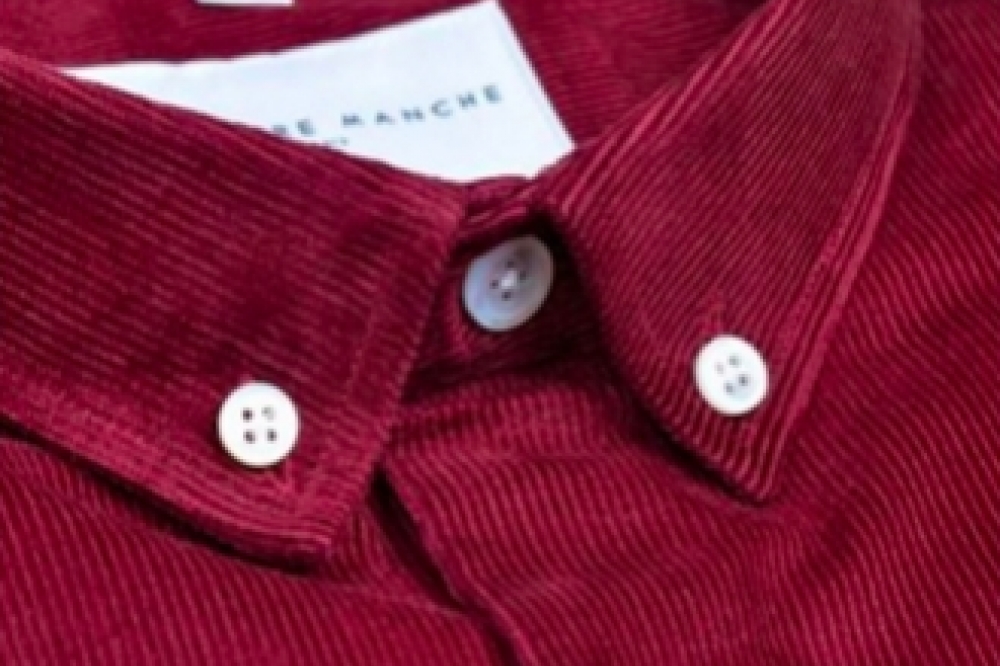
THE VELVET OVERSHIRT
Winter lasts but Spring is slowly approaching. What to wear in this mid-season period? The solution lies halfway between the shirt and the jacket: it is the overshirt.
What is an overshirt?
Do you know layering? This trend consists of layering clothes and accessories to perfect your outfit. The overshirt is part of it. It is very practical: it keeps you warm when necessary, you can remove it in one move if you want, it brings personality with a modern touch. It is cut like a shirt: collar with free points, buttoned cuffs, pockets, but is differentiated by a straight and long base and especially a greater thickness.
It can be worn on casual occasions only, closed or open, it dresses while keeping a relaxed spirit.
Perfectly adapted to this period of transition, it can be chosen in different fabrics like flannel, wool, cotton or even suede.
Suede overshirt

Woolen overshirt

Flannel overshirt

Today we choose to talk about corduroy.
Corduroy overshirt

Why corduroy?
Having become obsolete at the end of the 60s, associated for a long time with the figure of the grandfather and his eternal corduroy pants, this fabric is now making a comeback and appears again in the creations of fashion designers. It is available on all supports: pants, jackets, shirts and accessories such as bags! However we advise you not to combine everything together, the total look does not work with this strong fabric. The only exception: the velvet suit, if it is cut in a quality fabric.

A look at the history of corduroy and its manufacturing process
Corduroy is in fact a weaving process. It can be used on different materials such as cotton, silk or wool. It consists of stitching threads into a fabric in order to create thicker or thinner ribs. The result is a thick, solid and warm texture.

When it appeared in Europe in the 14th century, velvet was considered a noble material, reserved only for the wealthy because of its complex weaving technique. It is then synonymous with success, wealth and power. It was democratized much later, from the middle of the 18th century when it seduced the working class by its solidity, durability and warmth. It reached its peak in the world of fashion in the 60s, and is available in a range of bright colors. Thereafter, it gradually disappeared in favor of lighter materials.
Let's focus on the corduroy shirt in particular.
How to wear the velvet shirt?
Practical and pleasant to wear: warm and very comfortable, it will quickly become a must-have for your shoulder season wardrobe. Strong and breathable, it is also durable and softens with time. Its tight weave makes it a bulwark against cold and humidity, and its fluffy side captures heat. We wear it with happiness during weekends in the open air.
Character: its ribs give it a stronger spirit stylistically than the flannel shirt.
And cherry on the cake, we can play on a whole set of details for a silhouette that has personality.
For example, you can vary the size of the ribs for an overshirt more or less thick.
Thick velvet

Fine velvet or velvet mille ray

You can also choose from a wide range of colors, from neutral to bright.


We associate it with jeans that it softens, boots, and a thin turtleneck or a tee-shirt with round neck depending on the period. On the other hand, you can't wear it over another shirt!


Neither too warm nor too light, solid and durable, easy to wear and to combine, the corduroy overshirt has what it takes to seduce. It has all the assets for a smooth transition from winter to spring and summer to fall.


