1. What is linen?
First of all, let's understand what linen is: a plant fibre. Unlike cotton, which comes from the flower, flax is a bast fibre, which means that it is found in the stem of the plant. To produce flax, the stems are macerated to extract the raw fibres. These fibres then undergo a scutching process: they are mechanically scraped to remove the woody part. This part is then combed to obtain fibres ready to be twisted to create flax yarn.
Today, it is grown mainly in Europe, especially in the temperate regions of Belgium and northern France. Easy to grow and process, this fibre requires less labour than cotton. It stands out for its strength and thermal qualities, making it durable and pleasant to use.
Linen can be blended with other materials such as wool, silk or cotton to obtain different properties. Mixed with wool, it becomes warmer; with silk, it becomes more elegant; and with viscose, it creases less.

2. Linen, the material of choice
a) The advantages of linen
Linen's popularity is generally due to its notable characteristics, which make it a much-loved material:
- Durability: linen is one of the strongest natural fibres. If you opt for top-of-the-range pieces and proper care, they can last for years without losing their lustre.
- Breathability and absorbency: Linen is naturally breathable and allows air to circulate freely, making it an ideal choice for hot and humid climates. Linen can absorb up to 20% of its weight in water without feeling wet, helping to keep you dry and comfortable in all conditions.
- Hypoallergenic: thanks to its natural properties, linen is gentle on the skin and does not cause allergies, unlike some synthetic fibres.
- Environmentally-friendly: unlike cotton, growing linen requires less water and no chemicals.
b) The disadvantages of linen
Although linen has many advantages, it also has some slight disadvantages:
- Creasing: it's important to note that linen creases easily, which is part of its natural charm. If you prefer something less creased, you may as well buy a linen garment mixed with other fibres to reduce the problem. It is less suited to formal shirts, for example.
- Rough: linen is notoriously rough when new. However, the fibres become softer and softer with each wash. After a few washes, your linen garment will be as comfortable as a cotton poplin garment.
c) How to spot a good linen shirt ?
To obtain a quality linen shirt, it is essential to work and treat the fibres carefully after weaving. Being a fickle fibre, linen requires special know-how to create top-of-the-range garments. High-quality shirts use carefully selected fibres to guarantee a better finish.
1. Quality criteria for a linen shirt
- Buttons : make sure the buttons are made from white mother-of-pearl. Avoid those with yellow highlights, which may indicate poor quality such as plastic or mother-of-pearl powder.
- Buttonholes : check that the buttonholes are neat, with no protruding threads, and that the seams are very tight. The seams should be almost invisible to ensure a clean finish.
- The collar : the officer collar and Italian collar are safe choices for a linen shirt, but other options such as the cut-away or French collar may also be suitable.
- Practical details : some shirts, like this one from Première Manche, incorporate discreet and effective details, such as a button hidden under the collar to keep it in place.
2. Advantages of a quality linen shirt
- Fewer creases : quality linen has fewer creases, which are also more aesthetically pleasing and less fragile than those of lower-quality linen.
- Durable and soft : a linen shirt whose fibres are carefully extracted and spun will warp less over time and remain softer.
- Long-lasting colours : a good dye guarantees deeper, more wash-resistant colours.
- Perfect fit: Première Manche shirts, with their slim fit, avoid the ‘sailboat effect’ and adapt perfectly to your morphology.
Taking into account all the elements we've shared with you, you can be sure of choosing a high-quality linen shirt that's both elegant and durable.
This article also provides tips on how to identify a shirt in general.
3. What to wear with your linen shirt?
a) Casual and formal
For a relaxed summer look, we recommend wearing a linen shirt with linen trousers or shorts. This combination will give you optimum comfort in hot weather. If you prefer a slightly less casual style, you can also pair the linen shirt with jeans, which will add a touch of casual chic to your outfit.
For a more formal look, say for work, pair your linen shirt with a tie and suit trousers. For certain occasions, such as a wedding, you could just as easily wear a suit jacket - you'll be comfortable yet elegant for the event. This combination will allow you to retain the elegance needed for the environment in which you find yourself, while taking advantage of the breathable and lightweight properties of linen.
Linen is a versatile material that can be adapted to different occasions, whether it's a casual summer outing or a day at the office. Its timeless style and ability to regulate temperature make it an ideal choice for all seasons.
b) Some examples with our shirts
- White linen shirt with officer collar
For this shirt model, being a neutral colour, you can add a more colourful piece for the bottom. You can choose jeans, trousers or shorts in shades of navy blue, khaki, black or even pastel colours such as water green and sky blue.
If you prefer a casual yet elegant look, opt for linen trousers in a colour close to that of the shirt, such as ecru. This will create a harmonious outfit, perfect for a chic summer look.

- Rust linen shirt
For this rust-coloured model, which is quite intense, we recommend pairing it with more neutral colours for the bottom. Opt for beige, brown, ecru or cream trousers or shorts, or navy blue trousers that will go very well with the shirt.
If you want to add some originality to your outfit, you can choose trousers with patterns such as stripes. Trousers in a neutral colour but with stripes that echo or contrast with the colour of the shirt (such as navy blue, almond green, white or even pink) will add a bold dimension to your looK.
These combinations will allow you to create balanced, elegant outfits, while playing with colours and patterns to express your style.

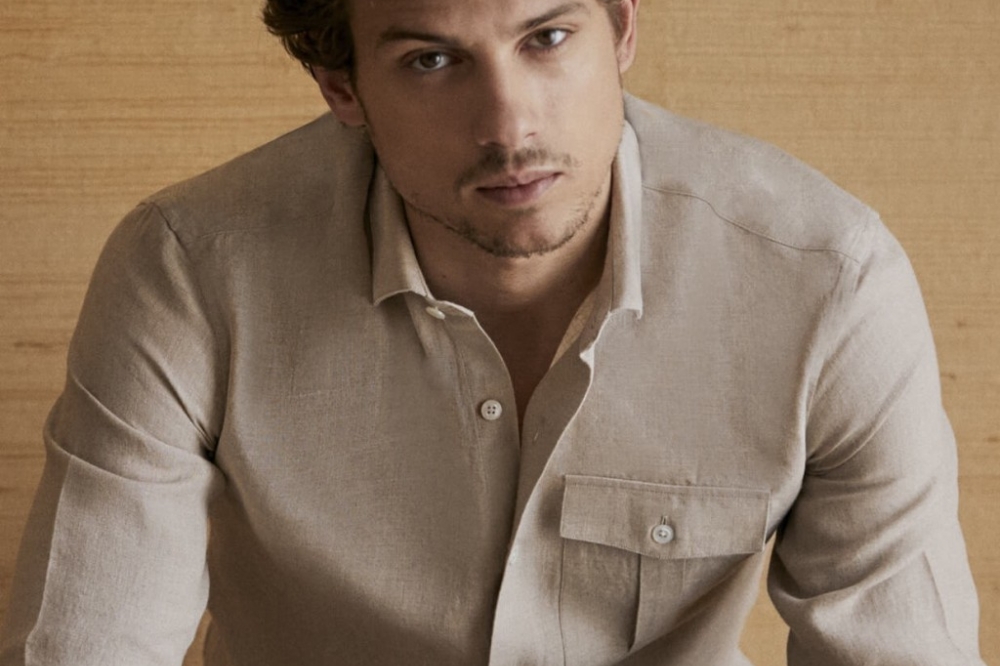
Finally, you can easily play with colours to match this beige shirt, which goes with many shades.
For a smart-casual look, choose flowing trousers (linen, for example) in the same colour as the shirt or in similar tones. You can also opt for colours such as brown, navy blue, khaki, or a variety of pastel shades. There are so many ways to combine our beige shirt to create elegant and varied outfits.

Now you know what linen is and how to wear it in the best way for your summer days.
See our models on the Première Manche, and find numerous articles about our products on the Comme un camion website.


